
Содержание
- Understanding the 2026 Ecommerce Hosting Landscape
- All-in-One Hosted Commerce Platforms vs. Traditional Web Hosting
- Top Traditional Web Hosts for Online Stores in 2026
- Value Leaders and Premium Infrastructure Providers
- Essential Technical Criteria for Ecommerce Hosting Selection
- Budgeting, Currency Planning, and Strategic Recommendations for Ukrainian Merchants
- Sources
Understanding the 2026 Ecommerce Hosting Landscape
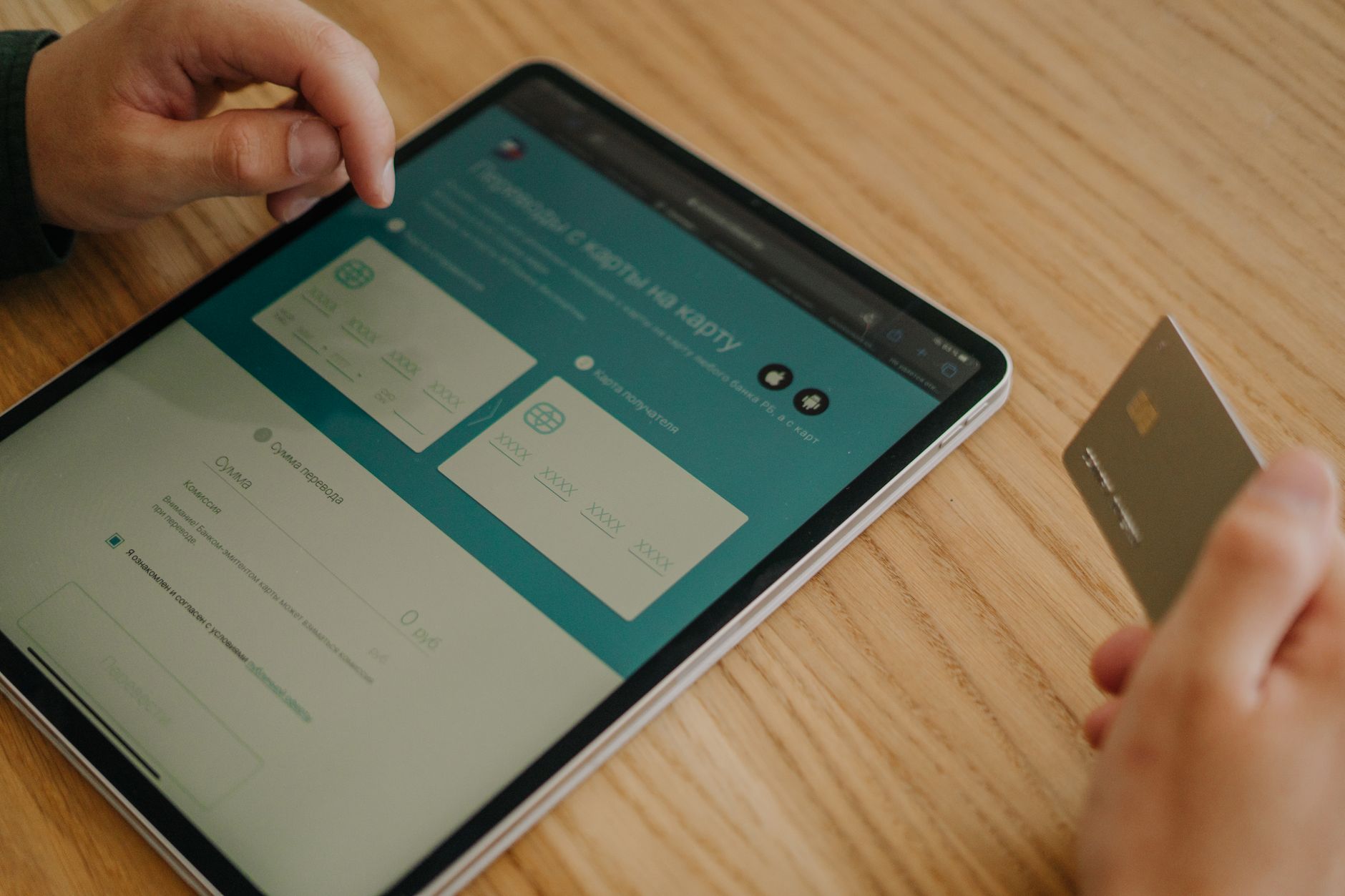
The e-commerce landscape is rapidly evolving, and the web hosting market in 2026 is radically different from what Ukrainian entrepreneurs were used to just a few years ago. Modern online stores face unprecedented demands for page loading speed, mobile optimization, seamless transaction security, and instant scalability during peak sales. Today, choosing infrastructure for a Ukrainian online store is not just a technical decision about picking a server with a certain amount of RAM, but a strategic business move that directly impacts conversion rates, search engine rankings, and overall project profitability. To better understand current market trends and compare key technical metrics of leading providers, it is useful to analyze Best Web Hosting for Online Store 2026 Top 5 Ranked, which details the most effective solutions of the current year.
The main trend of 2026 lies in a deep architectural division of the market into two main camps: comprehensive SaaS (Software-as-a-Service) cloud platforms and traditional hosting solutions for self-hosted CMS (WooCommerce, OpenCart, Magento/Adobe Commerce, PrestaShop). The first direction, vividly represented by the Shopify ecosystem, offers a fully managed environment where the user does not need to worry about security updates, SSL certificates, web server configurations, or DDoS protection. As noted in specialized reviews such as 9 Best Ecommerce Hosting Solutions in 2026 Shopify, such cloud platforms are ideal for entrepreneurs who prioritize launch simplicity, automation, and ready-made technical integrations without involving system administrators.
On the other hand, traditional classical hosting providers (such as Hostinger, SiteGround, or specialized VPS providers) continue to maintain leadership for projects that require full control over the codebase, deep functionality customization, and independence from third-party platform commissions. The choice between these two paradigms should never be based solely on brand recognition or marketing slogans. As project planning practice shows, choosing hosting for an online store in 2026 should stem from a thorough analysis of the specific business’s details. For those who want to study the criteria for selecting a technical platform tailored to local Ukrainian realities in more detail, the material How to Choose Hosting for an Online Store in 2026 is useful, breaking down key indicators of online store stability.
Key Criteria for Choosing the Foundation for an Online Store
Regardless of whether you choose a ready-made cloud builder or configure a dedicated server to manage your own content management system, there is an immutable trinity of fundamental evaluation criteria for any hosting:
- Speed and Performance: Server response time (TTFB) and page rendering speed in 2026 are critical Google ranking factors (Core Web Vitals). Even a one-second delay can drop mobile traffic conversion by 15–20%.
- Security and Compliance: Protection of customer personal data, compliance with international payment system standards (PCI DSS), availability of automated backups, and built-in web application firewalls (WAF).
- Scalability: The ability of the infrastructure to instantly adapt to traffic spikes during seasonal sales (such as Black Friday or New Year holidays) without drops in performance or overpaying for idle capacity during regular days.
Assessing the regional context, Ukrainian merchants are increasingly paying attention to the location of physical data centers. Placing servers in Ukraine or in its immediate vicinity (in Poland or Germany) guarantees minimal signal delay (ping) for local buyers, which directly affects bounce rates. For the Ukrainian market, the features of local infrastructure are also extremely important, as detailed in the article Best Hosting for Ukrainian Online Stores in 2026, which analyzes providers ensuring stable operation even in unstable power supply conditions thanks to backup generators and modern Tier III/Tier IV data centers.
Summarizing the current state of the market, it can be argued that a universal “best” hosting for everyone does not exist. The right choice in 2026 is always a balance between the current volume of the product base, expected traffic at launch, long-term scaling business plans, and your team’s technical expertise. Understanding these architectural features allows you to lay a reliable foundation for the stable growth of an e-commerce business in conditions of fierce market competition.
All-in-One Hosted Commerce Platforms vs. Traditional Web Hosting
Choosing the architectural foundation for your online store in 2026 is a key decision that determines development speed, operational expenses, and business scaling potential. The modern market offers two drastically different approaches: “all-in-one” ecosystems (SaaS platforms) and traditional web hosting with independent installation of content management systems (CMS). Each of these options has its own philosophy, technological features, and target audience, requiring a balanced approach when calculating budgets and technical resources.
“All-in-One” Ecosystems: Maximum Launch Speed and Minimum Routine
Comprehensive cloud platforms change the approach to creating an online business by combining hosting infrastructure with ready-made sales management tools. As 9 Best Ecommerce Hosting Solutions in 2026 Shopify notes, modern ecommerce hosting solutions come equipped with basic store functions right “out of the box”: professional site templates, inventory management dashboards, built-in payment gateways, and multichannel analytics systems. This significantly lowers the technical barrier to entry for new entrepreneurs.
By choosing such a solution, a merchant receives the following advantages:
- Reduced Operational Complexity: no need to configure web servers (Nginx, Apache), optimize MySQL databases, or manually connect SSL certificates.
- Out-of-the-Box Security and Updates: the provider takes care of DDoS protection, backups, and regular updates of the software core, eliminating plugin vulnerabilities.
- Legal and Payment Readiness: integration with popular global and local payment systems happens in a few clicks, often without involving developers.
However, this simplicity comes at the price of strict ecosystem frameworks. If you need unique checkout logic customization or a non-standard database structure, you may encounter provider limitations. Furthermore, the monthly subscription for such platforms can turn out higher than the cost of classical shared hosting, especially as business turnover grows, when additional commissions begin to be charged on transactions.
Traditional Web Hosting: Complete Control Freedom and Flexibility
The opposite approach is classical web hosting (VPS, VDS, or dedicated servers), onto which the store owner independently installs an engine (such as WooCommerce, OpenCart, or PrestaShop). As detailed in the guide How to Choose Ecommerce Hosting in 2026: The Ultimate Guide, this path is chosen by companies that require absolute independence from third-party platform rules, deep source code customization, and specific integrations with internal enterprise ERP systems.
Using the traditional “hosting + CMS” stack, you get complete control over the server environment. You can optimize performance for specific peak loads (for example, during Black Friday seasonal sales), choose any SEO modules, and not depend on changes in the tariff policy of one specific platform owner. Nevertheless, technical responsibility falls entirely on your shoulders. You will need to hire a system administrator or developer to monitor security, fix bugs after plugin updates, and configure caching to speed up page loading.
Financial Aspects and Budgeting in Hryvnias (UAH)
When planning the budget for maintaining an online store, it is important to consider the difference in cost formation. Traditional hosting in Ukraine is relatively inexpensive at the start: a quality VPS server with sufficient SSD disk space and RAM for a small product catalog can be purchased for a price ranging from 300 to 800 hryvnias per month. Nevertheless, hidden expenses must be added to this amount: purchasing premium themes, licensed plugins, paying programmer wages for technical support, and security setup.
At the same time, comprehensive SaaS platforms use a subscription model, which in the Ukrainian market is often recalculated at the current exchange rate or has fixed hryvnia tariffs for local versions. Basic tariffs start at approximately 900–1500 hryvnias per month, and advanced corporate plans can reach several thousand hryvnias and higher. Although the monthly payment looks more substantial, it often includes the cost of enterprise-class hosting, a CDN (content delivery network), round-the-clock technical support, and hack protection, which in the long run can reduce the total cost of ownership (TCO) of the project by reducing the IT staff.
| Comparison Criterion | Hosted Commerce Platforms (SaaS) | Traditional Web Hosting (VPS + CMS) |
|---|---|---|
| Launch Speed | High (days or hours) | Medium / Low (weeks of development) |
| Technical Knowledge | Minimal (no-code interface) | Administration skills required |
| Flexibility and Customization | Limited by platform framework | Absolute (access to code and database) |
| Security and Backups | Automated by the service | Responsibility of the site owner |
| Budget (UAH benchmark) | From 900+ UAH/mo (fixed subscription) | From 300+ UAH/mo + development costs |
Thus, the choice between a comprehensive cloud ecosystem and classical hosting in 2026 comes down to a balance between your technical resources and business needs. If your goal is to quickly launch sales, minimize administrative headaches, and focus exclusively on marketing, choosing an integrated platform will be optimal. If you are building a large-scale project with unique business logic, complex integrations, and want to control every byte of server space, traditional hosting will provide all the necessary tools to realize your boldest technological ambitions.
Top Traditional Web Hosts for Online Stores in 2026

The web hosting landscape in 2026 continues to evolve, but the fundamental criteria for choosing an e-commerce platform remain unchanged: page loading speed, flawless support, management simplicity, and optimal price-to-quality ratio. Finding the ideal platform for an online store requires a detailed market analysis, especially if you plan to launch a business taking into account Ukrainian realities and starting budget calculations. According to current global reviews, including data from analytical reports like Best Web Hosting for Ecommerce Stores in 2026 Dont Lose Sales, the leaders in the traditional hosting segment for online stores remain several time-tested providers: Hostinger, SiteGround, Bluehost, and HostGator. Each of them satisfies the specific needs of entrepreneurs—from limited starting budgets to high performance requirements.
We will begin our review with Hostinger, which firmly holds leadership positions thanks to its aggressive pricing policy and modern technical infrastructure. In 2026, this provider offers basic e-commerce tariff plans with a starting price of approximately $3.99 per month. Converted into Ukraine’s national currency at the current exchange rate, this is about 160–170 UAH monthly. Despite the low entry barrier, users receive a free SSL certificate to protect customer transactions, integrated LiteSpeed-based caching tools, and optimization for popular CMSs such as WooCommerce and PrestaShop. For novice Ukrainian entrepreneurs looking for a compromise between minimal costs and stable catalog operation, Hostinger remains one of the most attractive options on the market.
Meanwhile, SiteGround continues to top the ratings of premium traditional hosting, focusing on high-traffic stores with strict security requirements. Starting prices here are slightly higher—from $6.99 per month (about 280–290 UAH in hryvnia equivalent), but these investments are fully justified by the technical equipment. The provider uses Google Cloud Platform hardware, offers its own Speed Optimizer optimization plugin guaranteeing exceptional server response speed, and provides expert-level 24/7 technical support. If your online store expects rapid order growth and you are unwilling to tolerate even minimal delays during checkout, investing in SiteGround will be a strategically correct move. More details on choosing specific configurations for the Ukrainian market can be found in our specialized review Best E-Commerce Hosting in 2026: Ukraine Guide.
For those launching their first commercial project and worrying about a lack of technical skills, Bluehost is the benchmark of simplicity. In 2026, this hosting is traditionally recommended by experts as the best solution for ecommerce beginners. The platform offers an intuitive control panel, step-by-step online store setup wizards with pre-installed software, and basic security starting from $2.95 per month (approximately 120 UAH). Like its competitors, Bluehost provides a free SSL certificate and domain for the first year, significantly reducing initial business startup costs. Ease of payment gateway integration and a simple product management interface make it an ideal choice for entrepreneurs taking their first steps in online retail.
| Hosting Provider | Starting Price (USD) | Approximate Price in UAH | Free SSL | Main Advantage for Online Store |
|---|---|---|---|---|
| Bluehost | from $2.95 / mo | ~120 UAH / mo | Yes | Maximum simplicity for beginners and intuitive interface |
| Hostinger | from $3.99 / mo | ~160 UAH / mo | Yes | Favorable price-to-speed ratio (LiteSpeed) |
| SiteGround | from $6.99 / mo | ~280 UAH / mo | Yes | Premium support and Google Cloud infrastructure |
| HostGator | from $3.75 / mo | ~150 UAH / mo | Yes | Time-tested stability and tariff flexibility |
An equally important role in the market is played by HostGator, which in 2026 continues to hold the status of one of the most affordable and reliable providers. The starting cost of services begins at $3.75 per month (about 150 UAH in hryvnia equivalent). The hosting platform attracts online store owners with its flexibility, unlimited disk array space in most tariffs, and stable service operation. As detailed in video materials like Best Web Hosting for Ecommerce in 2026, the low entry barrier and wide set of basic tools make HostGator an excellent choice for projects with limited initial capital.
When planning a Ukrainian online store’s budget for 2026, it is important to remember that the indicated amounts in hryvnias are approximate and may change depending on currency fluctuations, as well as whether you choose monthly payment or immediately purchase a long-term package for one or three years (which usually allows significant savings thanks to discounts from hosting providers). When evaluating these options, weigh the specifics of your future catalog, expected advertising traffic volume, and your own technical preparation level to choose the best foundation for the long-term success of a commercial site.
Value Leaders and Premium Infrastructure Providers
When choosing infrastructure for a commercial web resource, business owners inevitably face a dilemma: invest minimal funds at the start or immediately budget for enterprise-grade fault-tolerant cloud solutions. In today’s 2026 digital environment, this choice has become even more critical since user expectations have grown and tolerance for slow page loading has practically dropped to zero. Every second of server response delay directly converts into lost profit and abandoned carts. To find the optimal balance between cost and performance, it is necessary to detail and analyze two opposing categories of hosting providers: budget value leaders and premium infrastructure providers.
For entrepreneurs who are just launching their first digital store and striving to minimize initial capital expenditures, the market offers time-tested economical options. For example, Hostinger is regularly mentioned in current reviews as the best overall choice for price-to-quality ratio for most beginners. Such hostings are great for startups with a small product assortment and moderate starting traffic. They provide intuitive control panels, free SSL certificates, basic DDoS protection, and automatic installers for popular CMSs like WooCommerce or OpenCart. However, owners of such sites should consider hidden limitations: resources on basic tariff plans are often shared (shared hosting), meaning CPU and RAM computing power is split with hundreds of other server neighbors. During a sudden traffic surge caused by an ad campaign or seasonal sale, such resources can exhaust, leading to slowdowns or temporary store unavailability.
On the other side of the spectrum are managed cloud infrastructure providers geared toward scaling and consistently high loads. According to authoritative industry studies such as ISITWP, cloud hosting from SiteGround is recognized as the optimal solution for most serious commercial stores that have outgrown the entry level. Moving to a managed cloud gives businesses dedicated virtual resources that can be dynamically scaled in real time depending on current demand. This is critically important for large platforms where transaction stability and instant database query processing determine commercial success. Additional information on regional selection specifics can be found in the article about Best E-Commerce Hosting in Ukraine 2026: Ultimate Guide, which details local infrastructure features.
The main differentiators justifying the higher cost of premium hostings are three key factors: exceptional technical support quality, isolated server resource distribution, and advanced speed optimization. In the e-commerce segment, every minute of site downtime equals direct financial loss. Premium providers offer 24/7 expert support via live chat with an average response time of under a minute, and engineers don’t just state problems—they independently fix bugs at the server configuration or caching level. At the same time, budget tariffs often limit themselves to standard general support, which can take a long time forwarding complex requests up the chain.
For a clear comparison of key parameters between economical solutions and enterprise cloud environments, the following table can be used:
| Comparison Criterion | Value Leaders (Budget Hostings) | Enterprise Cloud (Premium Cloud Providers) |
|---|---|---|
| Resource Type | Shared hosting or basic VPS | Dedicated cloud instances with auto-scaling |
| Speed Optimization | Basic caching, standard CDNs | Advanced server stacks (Nginx, Redis, Memcached) |
| Support Level | Basic ticketing, general answers | 24/7 priority DevOps expert help |
| Fault Tolerance | Dependent on physical server neighbors | Isolated environment, automatic restart on failure |
| Target Audience | Startups, landing pages, small catalogs up to 500 SKUs | Growing stores, high traffic, thousands of products |
Investing in optimized page load speed and reliable resource distribution directly impacts user behavioral factors and conversion rates (CR). Premium infrastructure solutions use modern data transfer protocols, enterprise-class NVMe drives, and advanced server caching algorithms, reducing time-to-first-byte (TTFB) to record milliseconds. Ultimately, the choice between an economical start and a powerful cloud platform should be based on the project’s business plan: a reliable budget leader will suit hypothesis testing and initial sales, but long-term scaling and brand protection from technical glitches require a transition to specialized managed cloud hosting.
Essential Technical Criteria for Ecommerce Hosting Selection
When evaluating web hosting infrastructure for an online store, looking past flashy marketing claims and digging straight into core technical parameters is non-negotiable. Modern merchants operate in a hyper-competitive digital landscape where a fraction of a second in page load latency or a brief checkout outage directly translates to abandoned carts and lost revenue. A comprehensive evaluation framework must systematically address starting price points, seamless scalability mechanisms, robust server security, and baseline compliance standards. According to a 2026 ecommerce-hosting comparison table from HostBeacons, modern platforms are judged primarily on their capacity to balance cost-efficiency with enterprise-grade performance specifications from day one.
Financial budgeting begins with examining introductory and long-term starting price points, but merchants must look deeper than the initial monthly invoice. Low-cost shared hosting packages might seem attractive for bootstrap startups, but they often impose severe limits on I/O operations, database queries, and concurrent visitor capacity. When shopping for reliable infrastructure, store owners should cross-reference pricing models with expected resource allocations. For broader contextual insights on balancing budget constraints with technical demands, you can review our How to Choose E-Commerce Hosting in 2026: Expert Guide, which outlines comprehensive financial planning strategies for growing merchants. Premium managed ecommerce hosting typically starts between $25 and $60 per month, scaling upward as dedicated CPU cores and RAM allocations expand to accommodate heavier product catalogs and advanced search features.
Scalability mechanisms represent another critical evaluation column that no growing merchant can afford to overlook. Traffic spikes driven by flash sales, seasonal holiday rushes, or viral social media marketing can instantly overwhelm a static server environment. The hosting infrastructure must support dynamic scaling—allowing administrators to upgrade RAM, storage throughput, and processor capacity with minimal downtime. As highlighted in a 2026 ecommerce-hosting roundup from HostBeacons, evaluating providers using scalability metrics ensures that an online store will not outgrow its digital foundation just as business momentum begins to accelerate. Whether transitioning from containerized cloud instances to dedicated virtual private servers, the underlying architecture must offer seamless elasticity.
Security features form the absolute bedrock of any transactional website, with SSL encryption transitioning from a luxury add-on to an uncompromised baseline standard. In modern web standards, free SSL is treated as a mandatory hosting feature in ecommerce comparisons because it serves as the frontline defense for encrypted data transmission during secure checkouts. Beyond protecting sensitive user data and complying with global payment card industry data security standards (PCI-DSS), SSL integration directly influences consumer behavior. Shoppers actively look for browser security indicators before entering credit card information; the absence of a valid certificate instantly destroys customer trust and triggers browser warnings that kill conversion rates. When paired with automated daily backups, web application firewalls (WAF), and proactive malware scanning, standard SSL implementation safeguards both the merchant’s brand reputation and the customer’s financial data.
To help structure your technical audit, consider the following core evaluation matrix when comparing prospective web hosts for your digital storefront:
| Technical Parameter | Minimum Acceptable Standard | Optimal Enterprise Specification | Why It Matters for Ecommerce |
|---|---|---|---|
| SSL Integration | Automated free Let’s Encrypt | Wildcard SSL with auto-renewal | Secures checkouts and builds baseline buyer trust |
| Scalability | Manual vertical scaling | Auto-scaling cloud resources | Prevents site crashes during unexpected traffic spikes |
| Uptime Guarantee | 99.9% SLA with financial backing | 99.99% high-availability cluster | Ensures the store remains open and profitable 24/7 |
| Backup Frequency | Weekly automated backups | Real-time incremental backups | Minimizes data loss risk during corruption or updates |
| Storage Technology | NVMe SSD storage | Distributed NVMe storage arrays | Accelerates database queries and product image loading |
Ultimately, selecting the right web host requires balancing these technical pillars against your specific business model, catalog size, and projected transaction volume. Providers that excel across all these technical vectors—offering transparent pricing tiers, robust elastic scaling, and uncompromising security protocols—will provide the stable digital foundation necessary for sustained ecommerce growth in the current digital economy.
Budgeting, Currency Planning, and Strategic Recommendations for Ukrainian Merchants

Financial planning for an e-commerce venture in 2026 requires a sophisticated approach, particularly for Ukrainian merchants navigating currency fluctuations, international payment gateways, and shifting economic landscapes. When budgeting for a digital storefront, the primary challenge lies in balancing predictable local revenues in Ukrainian Hryvnia (UAH) with predominantly foreign-denominated server costs, which are typically billed in US Dollars (USD) or Euros (EUR). To prevent currency volatility from eroding profit margins, merchants must implement a robust financial forecasting model. This involves calculating hosting expenditures not as a static monthly fee, but as a dynamic variable that accounts for potential exchange rate shifts. Smart financial planning dictates setting aside a 10% to 15% currency buffer specifically allocated for server maintenance and licensing fees, ensuring that sudden foreign exchange spikes do not jeopardize website availability during peak sales periods like Black Friday or New Year promotions.
Evaluating billing cycles is another critical component of long-term cost optimization. Most international and domestic hosting providers heavily incentivize annual or triennial commitments, offering discounts that can range anywhere from 20% to 50% compared to month-to-month billing. For a Ukrainian merchant starting out or scaling an existing catalog, committing to an annual plan can yield substantial savings, but it requires upfront capital allocation. As highlighted in comprehensive industry assessments such as the Best eCommerce Hosting Companies of 2026 Real Reviews, selecting the right provider depends fundamentally on matching store size and growth goals to current traffic rather than choosing a brand based on marketing hype alone. For instance, platforms like Hostinger are frequently cited in 2026 recommendations as the ultimate budget-friendly benchmark, delivering exceptional value for entry-level and mid-tier merchants who want enterprise-grade reliability without bloated corporate pricing structures.
To avoid overspending on excessive server resources while guaranteeing high availability, Ukrainian entrepreneurs should adopt a phased decision framework. Over-provisioning—paying for dedicated virtual private servers (VPS) or cloud instances with vast RAM and CPU cores before traffic actually demands it—drains capital that could otherwise be directed toward performance marketing or inventory acquisition. Conversely, under-provisioning leads to sluggish page load times, cart abandonment, and lost revenue during traffic surges. Merchants should review their metrics against broader technical blueprints detailed in guides such as the Best E-Commerce Hosting 2026: Ukrainian Store Guide to align their architectural needs with real-world financial capabilities.
Step-by-Step Financial Decision Framework for 2026
- Traffic and Catalog Audit: Assess current monthly unique visitors, concurrent user peaks, and total SKU count. A boutique store with 200 products requires fundamentally different infrastructure than a marketplace with 50,000 SKUs.
- Resource Right-Sizing: Match the audit data to hosting tiers. Shared hosting or managed WordPress/WooCommerce plans suffice for catalogs under 1,000 products and modest traffic, whereas scaling past 10,000 visitors daily necessitates entry-level cloud or VPS solutions.
- Currency Hedging and Payment Routing: Evaluate how hosting invoices are paid. Utilize corporate multi-currency accounts or business payment cards that minimize conversion fees between UAH and USD/EUR.
- Billing Term Optimization: Calculate the break-even point for long-term commitments. If cash flow allows, lock in 12-to-24-month terms to freeze hosting expenses against potential inflationary pressures.
- Scalability Pathing: Ensure the chosen host allows seamless, zero-downtime vertical scaling so you only upgrade resources when growth mathematically justifies the expense.
For deeper localization insights tailored specifically to the regional infrastructure landscape, merchants can also consult resources like the Best E-Commerce Hosting in Ukraine 2026: How to Choose, which analyzes domestic server performance versus international cloud nodes. When integrating these considerations into a holistic business plan, store owners must also factor in hidden expenses such as SSL certificate renewals, automated off-site daily backups, content delivery network (CDN) integration, and professional migration fees if transitioning between providers. By maintaining strict financial discipline, forecasting currency risks accurately, and leveraging cost-efficient platforms like those analyzed by experts at 9 Best Ecommerce Hosting Solutions in 2026 Shopify, Ukrainian merchants can build resilient, highly profitable online enterprises capable of thriving in a competitive digital economy.
