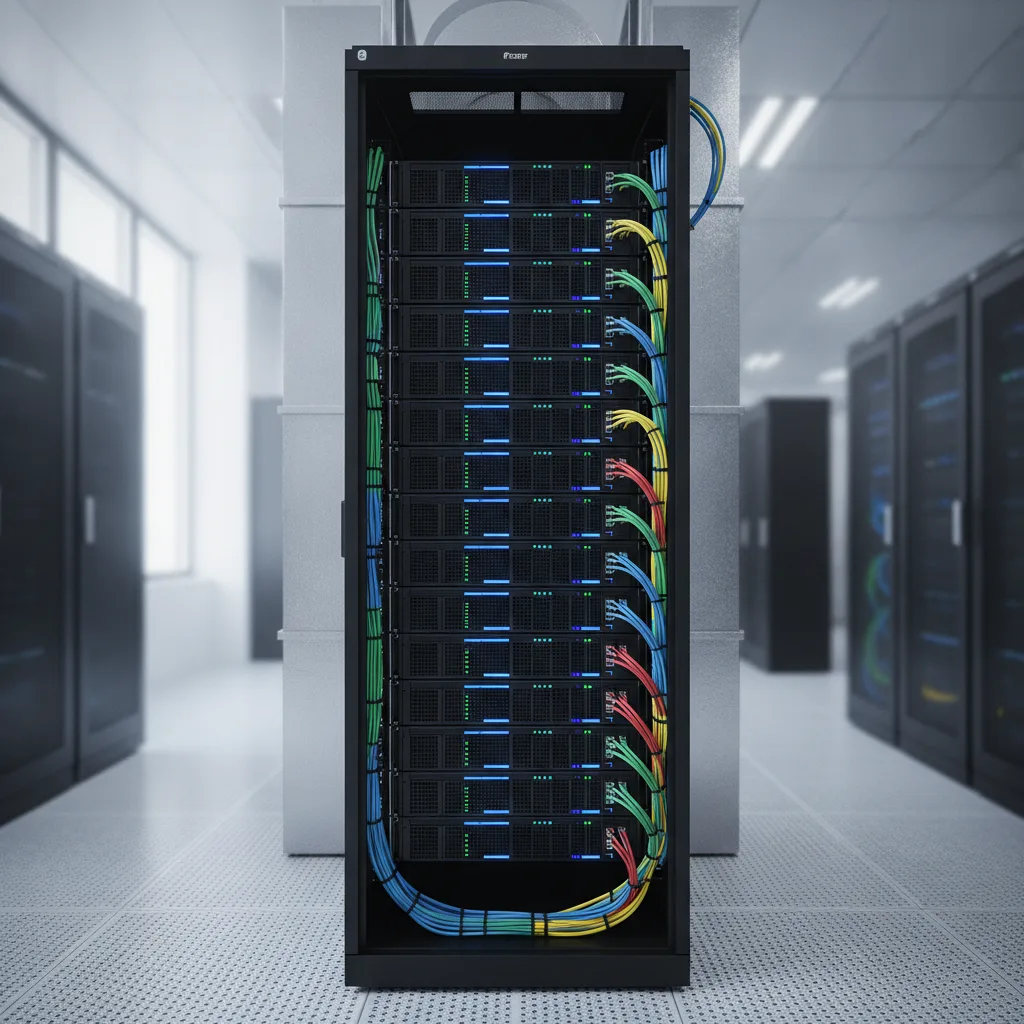
Introduction to Single-Tenant Physical Infrastructure
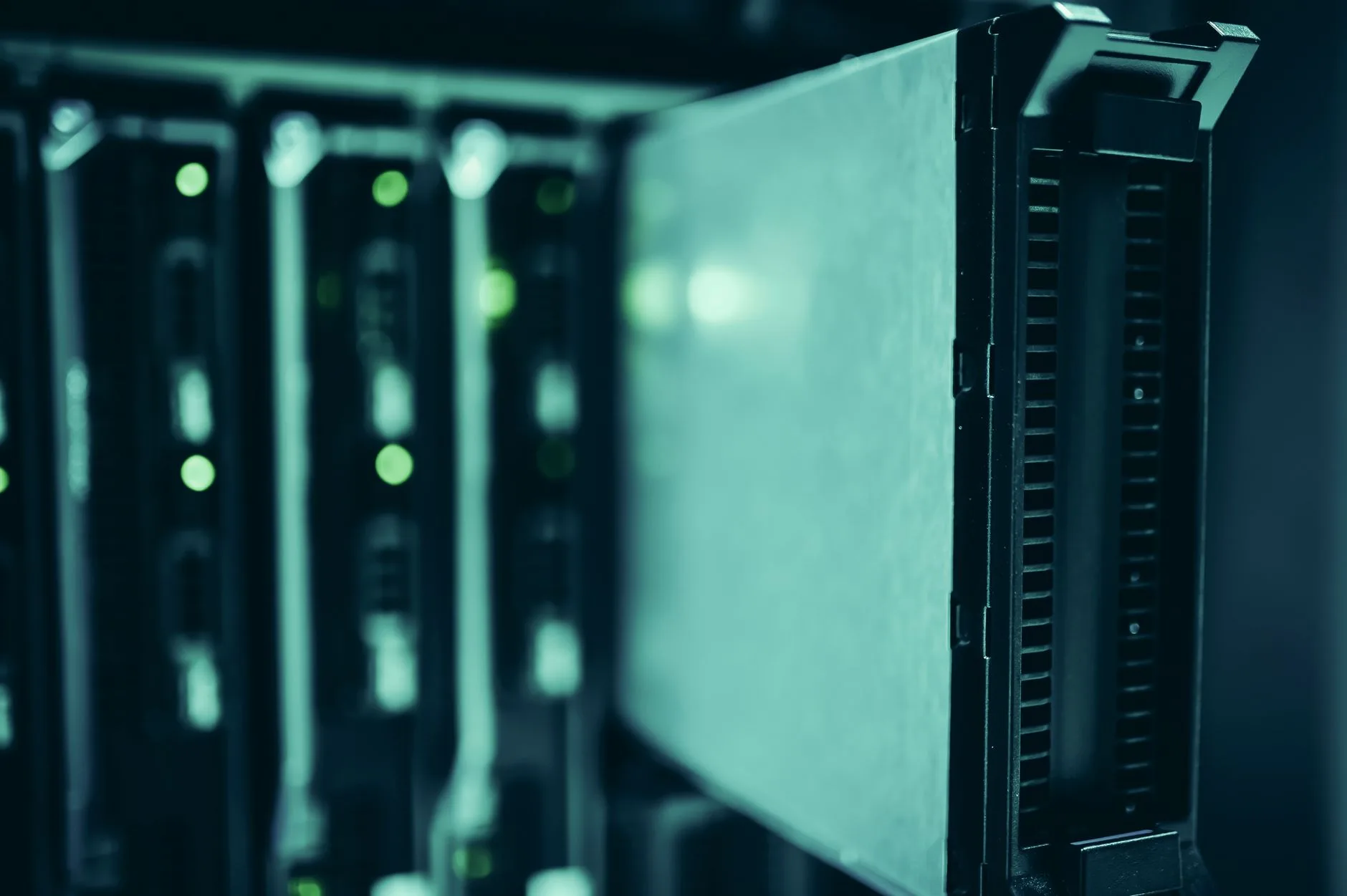
In the modern digital landscape, the foundational architecture powering enterprise applications dictates everything from database query latency to system-wide security postures. At the core of the most demanding enterprise workloads lies single-tenant physical infrastructure, commonly referred to as a dedicated server or bare metal environment. Unlike multi-tenant cloud ecosystems where hundreds of distinct virtual machines slice up the exact same CPU cores, memory banks, and storage controllers, a dedicated server is a physical machine leased entirely to one customer or organization. Its entire inventory of computing resources—ranging from high-frequency multi-core processors to terabytes of NVMe storage and dedicated gigabit or 10Gbps network uplinks—remains unshared, guaranteeing that your workloads operate without competing for physical hardware allocations.
To truly understand the paradigm shift toward single-tenant models, it is helpful to contrast them with alternative hosting architectures. Traditional shared hosting and standard virtual private server (VPS) environments fundamentally rely on virtualization layers and resource multiplexing. In a VPS setup, a hypervisor divides a powerful physical machine into numerous virtual instances, allocating slices of CPU time and memory pools to different users. While this model offers exceptional cost-efficiency and rapid deployment for lightweight websites or testing environments, it introduces a critical architectural flaw: resource contention. When a neighboring virtual machine on the exact same physical node experiences a sudden surge in traffic or runs an intensive batch process, it can consume shared cache, saturate memory buses, or exhaust disk I/O throughput. This phenomenon, widely known in the hosting industry as the “noisy-neighbor effect,” creates unpredictable performance fluctuations that can cripple time-sensitive applications.
Organizations dealing with heavy transactional volumes, real-time data processing, or mission-critical platforms are increasingly moving away from shared public cloud infrastructure to seek the absolute physical isolation offered by bare metal systems. As detailed in comprehensive industry analyses such as the What Is a Dedicated Server (Bare Metal)? Complete 2026 Guide, removing the virtualization overhead entirely changes how hardware interacts with the operating system. Without a hypervisor layer sitting between the operating system and the physical components, applications gain direct, unmediated access to the metal. This direct access translates directly into predictable performance metrics, eliminating the micro-latencies and random throughput drops that plague multi-tenant environments. For businesses operating large-scale online stores, exploring dedicated server hosting for high-traffic e-commerce in 2026 has become a standard architectural strategy to ensure checkout pipelines never stutter during flash sales or peak shopping holidays.
Furthermore, the operational implications of single-tenant infrastructure extend deeply into security and compliance frameworks. In a multi-tenant cloud environment, security relies entirely on software-defined isolation and hypervisor security boundaries. While modern hypervisors are heavily fortified, sophisticated side-channel attacks and hypervisor escape vulnerabilities historically pose inherent risks to multi-tenant hardware sharing. By contrast, a physical dedicated server provides hardware-level isolation. Because no other organization’s code executes on your machine, the attack surface is drastically minimized. This single-tenant model simplifies compliance audits for industries governed by stringent data protection regulations, such as healthcare, fintech, and enterprise SaaS providers handling sensitive personally identifiable information (PII).
When evaluating hardware strategies, engineers often compare traditional dedicated configurations against modern cloud-orchestrated bare metal, a topic explored further in resources examining Bare Metal Servers vs. Dedicated Servers 2026. Both models, however, share the foundational advantage of absolute resource dedication. By eliminating the noisy-neighbor effect entirely, organizations unlock the full theoretical compute capacity of their leased hardware. Whether calculating complex financial models, rendering high-resolution video assets, or managing massive relational database management systems (RDBMS) that require continuous disk throughput, single-tenant physical infrastructure delivers the unwavering reliability, raw processing power, and deterministic performance that modern high-scale digital operations demand.
Defining Dedicated Server vs Bare Metal: Technical Distinctions
In the rapidly evolving landscape of enterprise web hosting and data center infrastructure, terminology can often become a source of confusion. When architects, system administrators, and procurement managers evaluate high-performance hosting options, two terms frequently surface interchangeably: “dedicated server” and “bare metal.” In common commercial usage, these designations typically point to the exact same foundational concept: a single-tenant physical machine where a client leases 100% of the hardware resources—including CPUs, memory, storage interfaces, and network bandwidth—without sharing any component with a “noisy neighbor.” However, beneath this surface-level equivalence lies a fascinating linguistic, historical, and architectural nuance that separates traditional hosting paradigms from modern, cloud-integrated infrastructure models. Understanding these fine technical distinctions is crucial for designing systems that demand predictable performance, maximal throughput, and absolute security compliance.
To appreciate the semantic evolution, one must first look at how the hosting industry has matured over the decades. In the early days of web infrastructure, moving up from basic solutions like Shared Hosting vs VPS for a Growing Store: Which to Choose? meant transitioning to a dedicated server. Back then, a dedicated server was viewed through a legacy lens: a physical box sitting in a rack in a data center, manually provisioned by a data center technician over the course of several hours or even business days. The operating system was installed directly onto the local drives, and the machine was managed largely as a static, long-lived asset. Conversely, the term “bare metal” emerged later, driven largely by the cloud computing revolution. Cloud providers needed a way to market physical hardware using the same on-demand, API-driven workflows that customers had come to expect from multi-tenant virtual machines. Thus, bare metal was born as a semantic bridge, signaling that a physical server could now be spun up, reconfigured, and torn down via software automation in a matter of minutes, mirroring the flexibility of virtualized environments without losing the raw power of physical components.
In the strict technical sense, the definition of bare metal emphasizes execution layers: it means that the operating system, container runtime, or software stack runs directly on the underlying hardware without any provider-managed hypervisor, virtualization layer, or abstraction barrier. To explore this dynamic further, industry resources such as this guide on Dedicated Server vs Bare Metal Cloud highlight how the absence of virtualization transforms runtime efficiency. When you deploy a traditional virtual private server or a cloud instance, a hypervisor (such as KVM, VMware ESXi, or Xen) sits between your guest operating system and the physical metal, intercepting hardware calls and allocating virtualized CPU cores and memory blocks. This virtualization layer introduces what is known as hypervisor overhead—a minute, yet measurable, tax on CPU cycles, memory latency, and storage I/O throughput. With a bare metal setup, that intermediary layer is completely eliminated. Your kernel talks directly to the silicon, allowing software applications to extract every single instruction per clock cycle (IPC) out of high-end processors like the AMD EPYC or Intel Xeon scalable lines.
This architectural difference creates a clear logical hierarchy in industry terminology: every bare metal server is fundamentally a dedicated server, but not every traditional dedicated server is marketed or provisioned as bare metal. This distinction becomes even more apparent when analyzing provisioning workflows and API integration. Traditional dedicated servers are often delivered with a fixed set of operating system templates and require manual intervention if custom partitioning or specialized kernel modules are needed. Modern bare metal infrastructure, on the other hand, is designed for programmatic consumption. DevOps teams can provision complex clusters of physical servers using Infrastructure as Code (IaC) tools like Terraform, Ansible, or custom REST APIs, treating physical hardware with the same ephemeral, elastic mindset traditionally reserved for virtual machines. For a deeper breakdown of how these operational models compare in real-world scenarios, developers often consult comparative analyses like Dedicated Servers vs. Bare Metal: What’s the Difference?, which outline the performance and management trade-offs.
To summarize the core architectural parameters that differentiate these terms, consider the following technical comparison:
| Technical Parameter | Traditional Dedicated Server | Modern Bare Metal Infrastructure |
|---|---|---|
| Provisioning Speed | Hours to business days (often manual) | Minutes via API, CLI, or automation scripts |
| Control Plane | Standard IPMI/iLO remote management | Advanced cloud-like APIs, automated rescue modes |
| Virtualization Layer | None (can install custom hypervisors manually) | None by default, though optimized for container orchestration |
| Hardware Lifecycle | Static lease, manual upgrades | Flexible billing, rapid redeployment and scaling |
| Ecosystem Integration | Standalone asset | Integrated with cloud VPCs, block storage, and load balancers |
Ultimately, whether you choose to refer to your infrastructure as a dedicated server or a bare metal node, the underlying physical reality remains identical: absolute hardware exclusivity, maximum cryptographic and performance isolation, and uncompromising computational power. By recognizing the subtle technical and semantic nuances between these terms, engineering leaders can better navigate vendor ecosystems, select the appropriate provisioning pipelines, and align their infrastructure choices precisely with their application performance goals.
Hardware Access, Performance, and Elimination of Virtualization Overhead
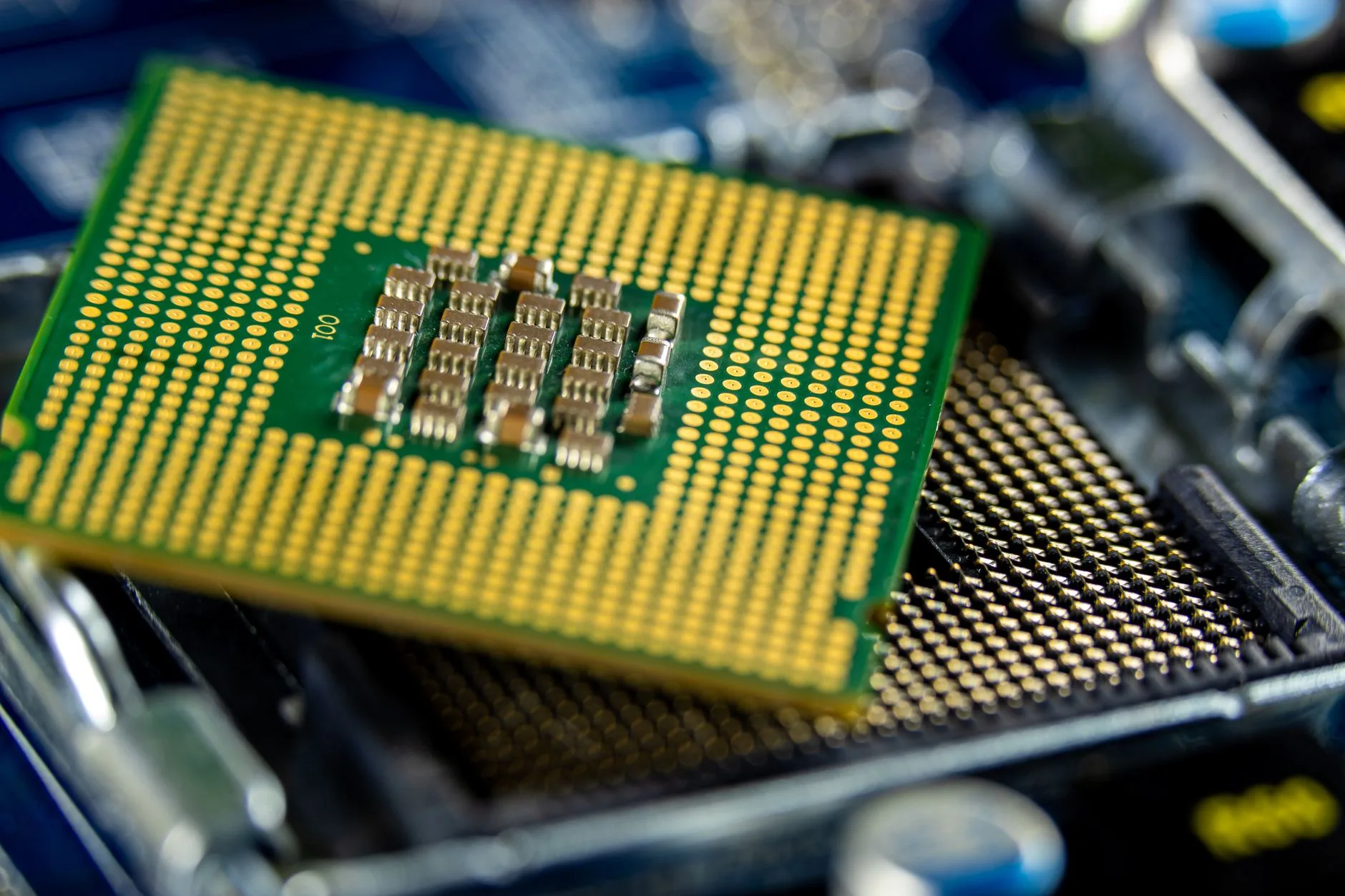
When evaluating high-performance hosting architectures, understanding the physical architecture of the infrastructure is paramount. A foundational concept in modern enterprise hosting is explored in detail within guides such as What is a Bare Metal Server? A Technical Guide for IT Professionals. Unlike traditional multi-tenant cloud environments where multiple virtual machines (VMs) share the same underlying physical components, a dedicated server provides absolute, unhindered access to the machine’s physical hardware. This direct exposure fundamentally changes how software interacts with computational resources by completely removing the virtualization layer, often referred to as the hypervisor or Virtual Machine Monitor (VMM).
In a typical virtualized setup, the hypervisor sits directly between the physical hardware and the operating system of the guest virtual machine. While hypervisors have become remarkably sophisticated over the years, managing this abstraction layer inevitably consumes a measurable fraction of the host’s processing power, memory capacity, and input/output throughput—a phenomenon universally known as virtualization overhead. CPU instructions that require hardware-level execution must often be intercepted, translated, and emulated by the hypervisor. This translation process introduces latency, creates micro-stutters in execution pipelines, and degrades raw processing efficiency. By deploying workloads on bare metal, organizations bypass this abstraction penalty entirely, reclaiming up to 15% in raw computing efficiency that would otherwise be lost to hypervisor management tasks, context switching, and memory page table translation overhead.
The advantages of eliminating virtualization overhead are particularly pronounced when examining unhindered CPU and RAM access. In a bare metal environment, the operating system interacts directly with the physical motherboard, processor caches, and physical memory modules. There is no intermediate memory virtualization layer managing virtual-to-physical address translations (such as Extended Page Tables or Nested Page Tables). Consequently, cache miss penalties are minimized, memory bandwidth is fully maximized to its rated physical speed, and CPU core frequencies can be utilized to their absolute maximum capability without hypervisor scheduling throttling. This level of uncompromised access is critical for latency-sensitive applications, high-frequency financial trading algorithms, large-scale relational databases, and enterprise resource planning systems that require instantaneous data retrieval and continuous, uninterrupted processing pipelines.
Furthermore, bare metal architecture extends its performance benefits beyond basic compute and memory, allowing specialized physical components to be exposed directly to applications. Modern enterprise workloads—especially those involving artificial intelligence, machine learning, deep learning model training, and massive data analytics—rely heavily on specialized hardware accelerators. As highlighted in discussions surrounding Bare Metal Dedicated Servers for AI: Performance, Control, and Infrastructure, the ability to interface directly with high-performance Graphics Processing Units (GPUs), Tensor Processing Units (TPUs), and ultra-fast Network Interface Cards (NICs) is a game-changer. Without the virtualization boundary obstructing the hardware, deep learning frameworks can utilize direct memory access (DMA) channels to stream massive datasets straight from storage arrays into GPU memory at maximum PCIe bus speeds.
Key Hardware Advantages of Bare Metal vs. Virtualized Environments
| Hardware Component | Virtualized Environment Impact | Bare Metal Environment Benefit |
|---|---|---|
| CPU Instruction Execution | Intercepted and emulated by the hypervisor; minor latency added per instruction. | Direct execution on physical silicon; zero translation overhead. |
| RAM & Memory Management | Requires nested page tables and hypervisor memory allocation overhead. | Direct access to physical DIMMs; maximum memory bandwidth and speed. |
| Network Interfaces (NICs) | Virtual switches (vSwitches) add packet processing latency and CPU load. | Direct SR-IOV or physical NIC passthrough for line-rate packet processing. |
| Accelerators (GPUs/TPUs) | Requires complex GPU pass-through configurations with potential driver limitations. | Native driver installation with full hardware feature sets and maximum throughput. |
Networking performance experiences a similar, dramatic transformation. In virtualized clouds, virtual switches route all incoming and outgoing network traffic, consuming valuable CPU cycles on packet inspection and encapsulation. Bare metal servers can leverage physical NIC features such as Single Root I/O Virtualization (SR-IOV), hardware packet filtering, and direct kernel bypass technologies like DPDK (Data Plane Development Kit). These capabilities allow applications to bypass the operating system network stack entirely when necessary, achieving millions of packets per second (Mpps) with microsecond-level latency. This makes bare metal infrastructure the undisputed architecture of choice for high-throughput edge routing, telecommunications core networks, and massive distributed streaming platforms.
Finally, the absence of a noisy neighbor effect on bare metal infrastructure ensures complete resource isolation. Because no other tenant shares the physical machine, CPU cache pollution, memory bus contention, and storage I/O starvation caused by neighboring workloads are entirely eliminated. For businesses operating mission-critical e-commerce platforms, maintaining stable and predictable response times is essential for conversion rates and user experience. When scaling such operations, administrators often pair these high-performance environments with specialized monitoring utilities, as detailed in guides on Best Server Monitoring Tools for E-Commerce in 2026, to ensure that raw hardware metrics are continuously tracked. Ultimately, the fusion of direct hardware exposure, zero virtualization overhead, and complete workload isolation transforms raw silicon into a finely tuned, ultra-efficient engine capable of powering the world’s most demanding digital applications.
Management Models: Unmanaged Hardware vs Managed Operational Stacks
In the realm of enterprise hosting, one of the most persistent misconceptions is that opting for a dedicated server or a bare metal infrastructure automatically consigns your engineering team to the absolute isolation of an unmanaged environment. Many organizations shy away from physical hardware because they assume it requires writing custom scripts to handle low-level BIOS updates, manually configuring routing tables via serial consoles, or troubleshooting failed hardware components at 3:00 AM. However, the modern hosting landscape has evolved dramatically, decoupling the raw physicality of the machine from the operational tooling used to govern it. Understanding the spectrum of management models—ranging from entirely unmanaged hardware to comprehensively managed operational stacks—is crucial for aligning your internal technical bandwidth with your external hosting infrastructure.
To clarify this distinction, it helps to examine how the industry approaches physical tenancy. A common misconception in architectural discussions is that “bare metal” always means a completely unmanaged server where the provider hands over a root password and walks away. While unmanaged dedicated servers certainly exist and remain popular among cost-conscious enterprises with dedicated sysadmin teams, the reality is far more flexible. As outlined in discussions contrasting a Dedicated Server vs. Bare Metal Server, modern providers routinely bundle advanced provisioning engines, automated networking configurations, real-time telemetry monitoring, and multi-tiered OS support around the physical server. This means an enterprise can leverage the raw, unthrottled CPU and RAM performance of single-tenant hardware without sacrificing the agile management workflows typically associated with cloud-native virtual environments.
When evaluating Bare Metal Dedicated Servers: What They Are and How to Choose, decision-makers must look closely at what constitutes a managed operational stack. A comprehensive stack typically introduces layers of automation that sit directly on top of the physical hardware. For instance, rather than waiting hours for a technician to mount an ISO image, automated provisioning systems allow engineers to deploy custom operating systems—such as Ubuntu, RHEL, or Windows Server—via API calls or web control panels in a matter of minutes. Furthermore, advanced hardware management models integrate IPMI (Intelligent Platform Management Interface) or dedicated out-of-band management controllers. These tools give administrators remote power control, virtual media mounting, and hardware health logging, effectively bridging the gap between physical machinery and virtualized convenience.
To better understand how these administrative tiers differ in practice, consider the following structural comparison:
| Management Feature | Unmanaged Dedicated Servers | Managed Operational Stacks |
|---|---|---|
| Initial Provisioning | Manual or basic automated OS install; manual network configuration. | API-driven rapid deployment, automated VLAN setup, and pre-configured raid arrays. |
| Monitoring & Telemetry | Basic ping checks; customer is responsible for setting up agents (e.g., Prometheus, Nagios). | 24/7 proactive hardware monitoring, automated alerts for disk degradation, thermal anomalies, and network saturation. |
| Patching & Updates | 100% customer responsibility for kernel updates, security patches, and firmware. | Provider-assisted or fully managed firmware updates, BIOS flashing, and security patch deployment. |
| Support Scope | Limited strictly to hardware failure and network connectivity to the switch port. | Comprehensive assistance encompassing OS-level troubleshooting, firewall configuration, and application stack optimization. |
The degree of management you select directly impacts your internal operational overhead. For example, smaller businesses or e-commerce platforms migrating from simpler setups often find themselves weighing infrastructure choices similar to those discussed when comparing Managed WordPress vs Self-Hosted Hosting for UK Online Stores, where the trade-off between control and convenience dictates long-term success. Similarly, at the bare metal level, choosing a managed operational stack allows development teams to focus on deploying application code, running container orchestration platforms like Kubernetes, and optimizing database performance, rather than spending valuable hours configuring kernel modules or debugging RAID controller firmware.
Ultimately, choosing between an unmanaged physical server and a fully managed bare metal stack is not a binary choice between freedom and rigidity. Providers today offer granular service level agreements (SLAs) and modular management add-ons. You can retain root-level access and absolute control over your software stack while offloading tedious tasks such as hardware replacement triage, DDoS mitigation, and out-of-band network management to the hosting provider’s expert operations team. By carefully auditing your internal team’s core competencies and operational bottlenecks, you can configure a dedicated server environment that delivers uncompromised single-tenant performance coupled with the administrative efficiency your business demands.
Enterprise Scale, Security, and Cloud-Like Provisioning of Bare Metal
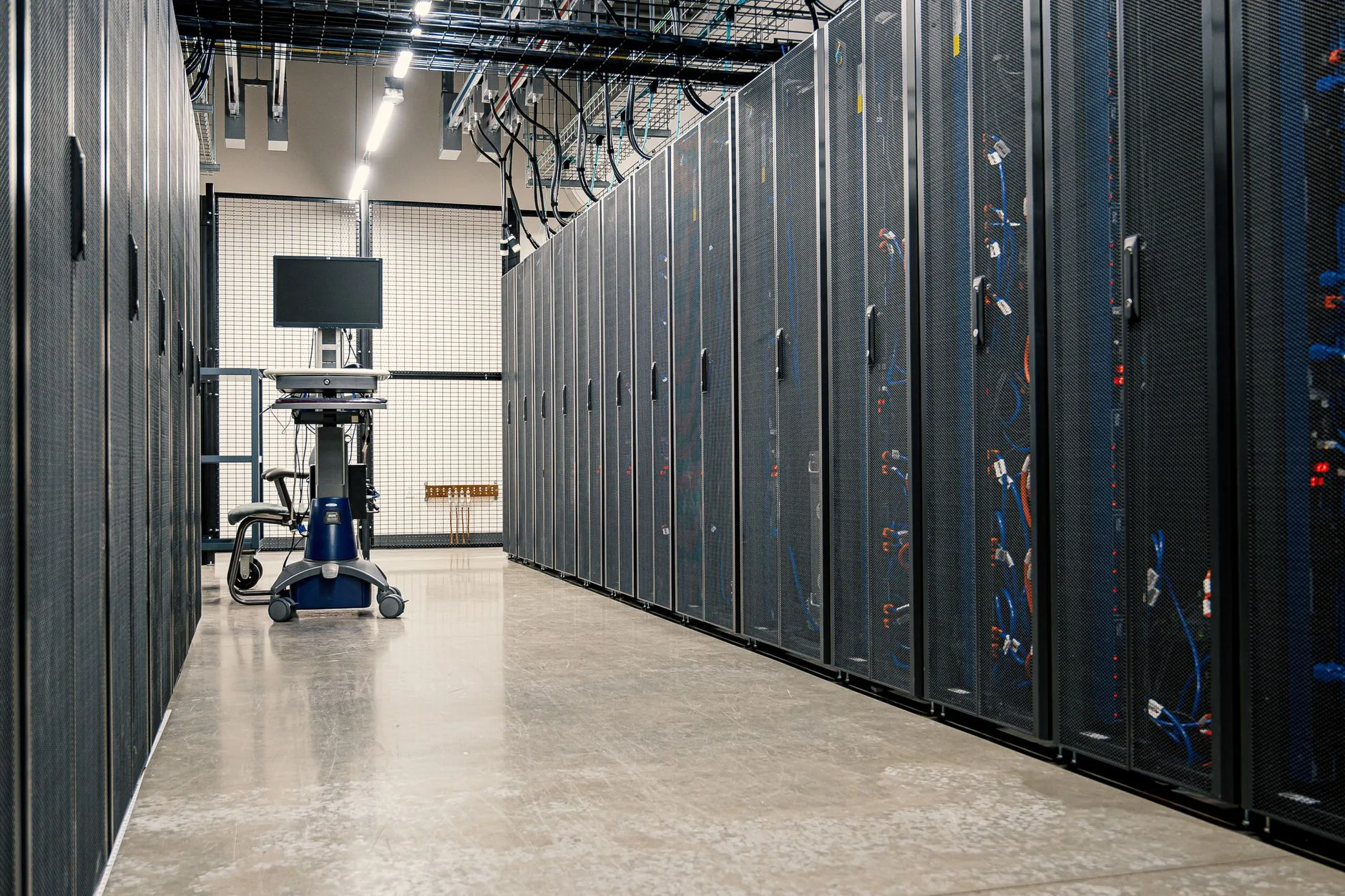
Enterprise-grade single-tenant infrastructure has long been the gold standard for organizations operating under extreme performance demands, strict compliance mandates, and massive transaction volumes. When dealing with workloads that cannot afford the “noisy neighbor” effect inherent to traditional multi-tenant virtual environments, companies rely on dedicated hardware to guarantee consistent throughput. Enterprise bare metal is often marketed as single-tenant infrastructure for performance, scale, reliability, security, and control. By dedicating every gigahertz of CPU clock speed, every lane of PCIe bandwidth, and every IOPS from NVMe storage drives to a single client, businesses eliminate the resource contention that plagues standard public clouds. This raw, uncompromised power becomes especially critical when managing intensive operations, where even a millisecond of latency variation can cascade into significant financial losses or degraded customer experiences.
Beyond raw computing speed, the security posture of single-tenant bare metal infrastructure offers unparalleled advantages for heavily regulated industries such as finance, healthcare, and government contracting. Because no hypervisor layer is shared between distinct client workloads, the attack surface is dramatically reduced. Firmware, memory banks, and physical ports are exclusively assigned to a single organization, effectively neutralizing cross-tenant side-channel attacks and unauthorized data snooping vectors. Organizations implementing rigorous data protection strategies often pair this physical isolation with comprehensive monitoring frameworks to safeguard their revenue streams, echoing best practices outlined in resources like E-commerce Uptime Monitoring: The Revenue-Critical Guide. Furthermore, physical data destruction policies become straightforward to enforce: when a drive reaches its end of life, it can be physically degaussed or shredded on-site, ensuring absolute compliance with data privacy regulations such as GDPR, HIPAA, and PCI-DSS.
Historically, however, choosing bare metal meant sacrificing the operational agility that made public cloud platforms so attractive to modern engineering teams. Provisioning a physical server once required manual ticket submissions, rack-and-stack procedures by datacenter technicians, and hours—sometimes days—of waiting for cables to be run and operating systems to be installed. This stark contrast between the instant gratification of virtual machines and the sluggish deployment times of dedicated hardware created friction in fast-paced DevOps pipelines. Organizations requiring a global footprint while maintaining strict hardware isolation often turn to specialized providers like NetActuate and their bare metal hosting solutions to bridge the gap between physical power and international reach.
To overcome these historical limitations, the industry has undergone a radical transformation in how physical infrastructure is delivered and managed. Many providers now deliver bare metal in an on-demand, cloud-like model, even though the underlying resource is still a physical single-tenant server. Through advanced orchestration platforms, custom APIs, and Infrastructure-as-Code (IaC) tooling, engineering teams can now spin up bare metal resources with the exact same programmatic ease they apply to virtual instances or containers. An automated API call can trigger the provisioning of a high-performance physical node complete with custom RAID configurations, network bonding, and operating system images in a matter of minutes, rather than days.
| Provisioning Dimension | Traditional Dedicated Servers | Modern Cloud-Like Bare Metal |
|---|---|---|
| Deployment Time | Hours to Days | Minutes (Automated API) |
| Infrastructure Control | Root/BIOS Access | Root/BIOS + Programmatic API Access |
| Scaling Model | Manual Ticket Submissions | On-Demand Dynamic Provisioning |
| Billing Structure | Monthly Fixed Contracts | Hourly, Monthly, or Usage-Based Options |
This paradigm shift marries the uncompromising performance of physical hardware with the dynamic scalability of modern cloud computing. Developers can leverage Terraform, Ansible, or custom orchestration scripts to provision bare metal clusters dynamically in response to traffic spikes, execute automated integration tests on real hardware, and deprovision resources just as quickly when workloads subside. For deeper architectural insights into optimizing these physical environments at scale, industry professionals frequently consult specialized analyses such as High-Performance Dedicated Servers at Enterprise Scale on Rackdog. Ultimately, this convergence of bare metal and cloud-like automation empowers modern enterprises to run mission-critical databases, high-throughput analytics engines, and large-scale container orchestration platforms without ever compromising on security, compliance, or speed.
Use Cases and Choosing Between Traditional and Modern Deployments
Understanding the theoretical architecture of a standalone physical machine is only the first step; the true value of bare metal infrastructure becomes apparent when mapping specific enterprise workloads to hardware capabilities. While multi-tenant cloud instances suffice for lightweight websites and development staging environments, certain computational bottlenecks demand an uncompromising approach to hardware allocation. A dedicated server is typically understood as a standalone physical machine reserved for one customer, with full control over the machine’s resources, eliminating the notorious “noisy neighbor” effect that plagues shared environments. This absolute isolation and direct access to underlying components make bare metal architectures non-negotiable for high-performance computing scenarios.
One of the most prominent deployment scenarios requiring strict bare metal architecture is the management of high-transaction databases. Financial institutions, high-volume e-commerce platforms, and global SaaS applications constantly process thousands of read and write queries per second. In these environments, even a millisecond of latency introduced by a hypervisor scheduling CPU cycles can cause cascading transaction timeouts and database locks. For example, maintaining optimal performance for massive relational databases often requires extensive indexing, custom query caching, and rigorous MySQL Tuning & Database Optimization for Online Stores, all of which demand unthrottled I/O throughput and raw processor clock speeds that only a dedicated physical server can reliably deliver.
Beyond transactional databases, machine learning pipelines and artificial intelligence training workloads represent another major driver for dedicated infrastructure. Training deep learning models or executing large-scale inference tasks requires massive parallel processing capabilities, usually driven by clusters of enterprise-grade Graphics Processing Units (GPUs) or Tensor Processing Units (TPUs). Virtualized environments can introduce overhead in PCIe passthrough and memory management, degrading the efficiency of high-speed interconnects between accelerators. By utilizing bare metal servers, data scientists retain direct access to the hardware layer, ensuring that massive datasets stream continuously from NVMe storage arrays directly into accelerator memory without virtualization bottlenecks. Resource-intensive enterprise applications, such as enterprise resource planning (ERP) suites, heavy data analytics engines, and real-time video streaming distribution networks, similarly benefit from this deterministic performance profile.
When transitioning from theory to procurement, decision-makers must evaluate whether to adopt traditional dedicated server hosting models or more modern, API-driven bare metal deployments. Traditional deployments usually involve longer provisioning times—ranging from a few hours to several business days as technicians manually rack, cable, and configure the hardware in a data center. These setups often feature lower initial setup costs or long-term contract discounts, making them ideal for stable, predictable workloads that rarely change in scale. Conversely, modern deployments emphasize automation, provisioning physical nodes in minutes via API calls or web portals, bridging the operational gap between traditional hardware and cloud agility. Understanding the technical nuances between these paradigms is essential, as detailed in comparative analyses on Bare Metal vs Dedicated Servers: Key Differences 2026, which highlight how modern orchestration tools have transformed rigid physical servers into dynamic infrastructure-as-a-code assets.
Navigating the financial landscape of UK infrastructure options requires careful balancing of upfront capital expenditure against monthly operational expenses. Entry-level enterprise-grade dedicated servers typically start around 15,000 UAH per month (approximately £320 to £350 GBP depending on current exchange rates), which generally secures a robust single-processor configuration with ample RAM and standard enterprise SATA or NVMe storage. However, as workloads scale, costs escalate based on specific hardware customization metrics:
| Hardware Tier | Typical Monthly Cost (Starting From) | Core Specifications & Ideal Workload |
|---|---|---|
| Entry-Level Dedicated | ~15,000 UAH (~£330) | Single Intel Xeon / AMD EPYC, 64GB RAM, 1TB NVMe. Ideal for medium web apps and staging clusters. |
| Mid-Tier Performance | ~30,000 UAH (~£650) | Dual-processor configurations, 256GB RAM, redundant NVMe arrays. Suited for high-traffic databases and ERP systems. |
| High-End GPU / Heavy Compute | ~60,000 UAH+ (~£1,300+) | Multi-GPU support, 512GB+ RAM, high-speed 10Gbps unmetered uplinks. Required for AI training and large-scale big data analytics. |
Strategic planning for UK-based hosting also involves evaluating data center locations, network peering agreements, and compliance frameworks such as GDPR. Selecting a facility in carrier-neutral data hubs like London or Manchester ensures minimal latency for European end-users and access to robust tier-1 network carriers. Furthermore, organizations must factor in unmetered bandwidth costs, DDoS mitigation services, and hardware SLA guarantees. By meticulously aligning technical requirements with financial thresholds, enterprise architects can secure a resilient, high-performance foundation that scales efficiently without unexpected performance degradation.
Need help choosing a hosting setup?
Our team reviews e-commerce infrastructure every day and can tell you what actually fits your traffic and budget.
Webmister Test Hosting — Kyiv
Mon-Fri 9:00-18:00


